
Neonatal Resuscitation: Essential Knowledge Every Newborn Care Nurse Must Have
Every birth is unique, but not every newborn transitions smoothly to life outside the womb. When a newborn struggles to breathe or maintain circulation, the actions taken in the first few minutes can determine survival and long-term outcomes. For nurses working in labor rooms, delivery suites, NICUs, and emergency settings, neonatal resuscitation is not an occasional skill—it is a professional responsibility.
As neonatal care standards evolve and clinical expectations increase, nurses must maintain both technical competence and clinical judgment. This article explores neonatal resuscitation from a nursing perspective, focusing on practical responsibilities, common challenges, and the importance of continuous education.
What Is Neonatal Resuscitation?
Neonatal resuscitation refers to the immediate care provided to newborns who fail to establish adequate breathing or circulation at birth. While most newborns adapt without assistance, a small but critical percentage require intervention to prevent hypoxia, organ damage, or death.
From a nursing standpoint, neonatal resuscitation involves more than performing tasks. It requires rapid assessment, anticipation of complications, effective communication, and coordination within a multidisciplinary team.
Nurses are often responsible for:
- Initial assessment of breathing, tone, and heart rate
- Thermal regulation and positioning
- Assisting with ventilation and oxygen delivery
- Monitoring vital signs and oxygen saturation
- Documenting events accurately and clearly
Why Neonatal Resuscitation Skills Matter for Nurses
Newborns have limited physiological reserves. Even brief delays in effective ventilation or circulation can result in serious complications, including hypoxic-ischemic injury. Nurses are frequently the first healthcare professionals to recognize subtle signs of deterioration.
Strong neonatal resuscitation skills help nurses:
- Respond confidently during high-stress deliveries
- Reduce preventable neonatal morbidity
- Support physicians and advanced practitioners effectively
- Improve teamwork and communication during emergencies
- Enhance professional credibility in neonatal settings
In many facilities, nurses play a leadership role during resuscitation by ensuring equipment readiness, anticipating next steps, and maintaining a calm, organized environment.
Common Situations Requiring Neonatal Resuscitation
Neonatal resuscitation may be required in a variety of clinical scenarios, including:
- Preterm deliveries
- Meconium-stained amniotic fluid
- Prolonged or complicated labor
- Maternal infections or chronic illness
- Unexpected delivery room emergencies
Nurses must be prepared regardless of perceived risk level, as even low-risk deliveries can deteriorate rapidly.
Challenges Nurses Face During Neonatal Emergencies
Despite training and certification, many nurses report difficulty during neonatal resuscitation events. Common challenges include:
- Infrequent exposure: Critical events may occur rarely, making skill retention difficult.
- Rapid guideline updates: Clinical recommendations evolve as new evidence emerges.
- High emotional pressure: The presence of parents and urgency of the situation increase stress.
- Communication barriers: Miscommunication during emergencies can delay care.
Recognizing these challenges is the first step toward improving preparedness and performance.
The Nurse’s Role During Neonatal Resuscitation
While neonatal resuscitation is a team effort, nurses play a central role throughout the process. Responsibilities often include:
- Preparing and checking resuscitation equipment before delivery
- Assisting with airway positioning and ventilation
- Monitoring heart rate and oxygen saturation trends
- Administering medications as directed
- Supporting documentation and post-event debriefing
Clear documentation is essential—not only for legal reasons, but also for quality improvement and future learning.
Importance of Simulation and Ongoing Training
Skill decay is a recognized issue in neonatal resuscitation. Research consistently shows that regular simulation and refresher training improve performance, confidence, and teamwork.
Nurses benefit from:
- High-fidelity simulation exercises
- Interdisciplinary mock codes
- Structured debriefings after real events
- Continuing education aligned with current guidelines
Consistent practice reinforces muscle memory and decision-making under pressure.
Keeping Knowledge Current in Neonatal Care
Neonatal resuscitation guidelines are updated periodically to reflect emerging evidence. Nurses must actively engage in continuing education to stay aligned with best practices.
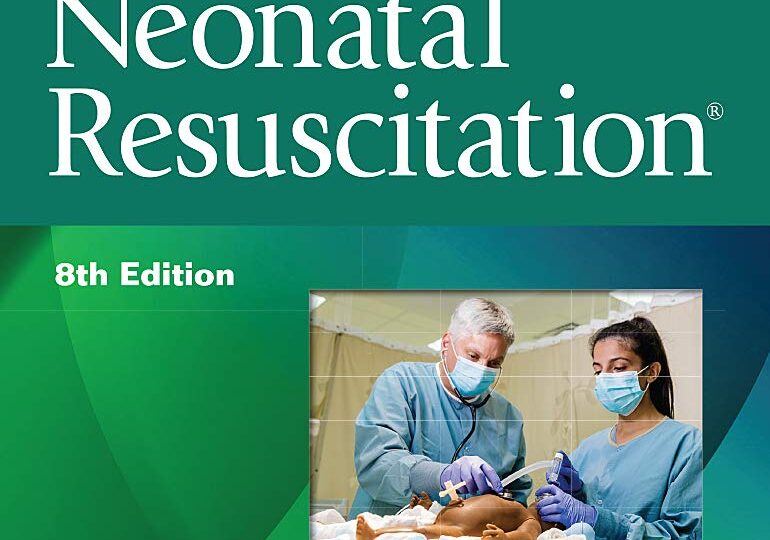
Many neonatal nurses and educators rely on structured professional learning resources such as the Textbook of Neonatal Resuscitation (NRP) to reinforce foundational concepts and align practice with current standards.
Frequently Asked Questions About Neonatal Resuscitation
Do all newborns require neonatal resuscitation?
No. Most newborns transition normally after birth, but healthcare teams must always be prepared to intervene when needed.
Is neonatal resuscitation training only for NICU nurses?
No. Labor room, emergency department, transport, and neonatal nurses all require neonatal resuscitation knowledge.
How often should nurses refresh neonatal resuscitation skills?
Regular refreshers, simulation training, and continuing education are recommended to maintain competence and confidence.
This article is for educational purposes only and does not reproduce or replace any copyrighted textbook, guideline, or certification material.