
Mental health conditions are encountered across nearly every healthcare setting, from emergency departments and primary care clinics to medical-surgical units and long-term care facilities. Nurses are often the first professionals to observe changes in behavior, mood, or cognition, placing them in a critical position to support early recognition and safe care.
While nurses do not independently diagnose mental health conditions, a foundational understanding of psychiatric terminology and diagnostic frameworks enhances communication, documentation, and patient advocacy. This article explores the practical role nurses play in mental health assessment and why diagnostic literacy matters in everyday nursing practice.
Why Mental Health Knowledge Is Essential for Nurses
Mental health concerns rarely exist in isolation. Patients admitted for medical or surgical reasons may also experience anxiety, depression, substance use disorders, or cognitive impairment. Without adequate mental health awareness, these conditions can go unrecognized, affecting recovery and safety.
Nurses with mental health literacy are better equipped to:
- Recognize early warning signs of psychological distress
- Communicate concerns clearly to the healthcare team
- Reduce stigma through therapeutic communication
- Support patient safety and dignity
- Advocate for timely mental health evaluation
As healthcare systems increasingly emphasize holistic care, mental health knowledge has become a core nursing competency.
Common Mental Health Conditions Encountered in Nursing Practice
Nurses may encounter a wide range of mental health presentations, including:
- Mood-related concerns such as depression or emotional withdrawal
- Anxiety-related symptoms including restlessness or panic
- Altered perception or thought patterns
- Behavioral changes associated with substance use
- Cognitive changes related to trauma, illness, or aging
Recognizing patterns does not mean labeling patients. Instead, it allows nurses to provide appropriate support and escalate concerns when necessary.
Challenges Nurses Face When Addressing Mental Health Concerns
Despite frequent exposure, many nurses report discomfort or uncertainty when managing mental health-related situations. Common challenges include:
- Symptom overlap: Mental health symptoms often resemble medical conditions.
- Stigma and bias: Misconceptions can affect patient interactions.
- Communication difficulties: Patients may struggle to articulate their experiences.
- Safety concerns: Managing agitation or emotional distress requires skill and preparation.
Education and experience play a key role in reducing these challenges and improving confidence.
The Nurse’s Role in Mental Health Assessment
Nurses are not responsible for making psychiatric diagnoses, but they are essential contributors to the assessment process. Their role includes:
- Observing behavioral and emotional changes over time
- Documenting objective findings accurately
- Using therapeutic communication techniques
- Reporting concerns promptly to the healthcare team
- Supporting patient safety and comfort
Clear, objective documentation is particularly important, as it informs clinical decisions and continuity of care.
Understanding Diagnostic Frameworks Without Replacing Clinical Judgment
Mental health diagnostic frameworks provide standardized language that supports communication among healthcare professionals. For nurses, understanding this language improves collaboration while maintaining appropriate scope of practice.
Diagnostic literacy helps nurses:
- Understand terminology used in care plans and reports
- Clarify patient questions using appropriate language
- Recognize patterns that warrant further evaluation
- Enhance professional communication with interdisciplinary teams
This knowledge complements—not replaces—clinical observation and compassionate care.
Building Confidence in Mental Health Nursing Practice
Confidence in mental health care develops through exposure, education, and reflection. Nurses can strengthen their skills by:
- Participating in continuing education programs
- Engaging in reflective practice after challenging interactions
- Seeking mentorship from experienced colleagues
- Reviewing case-based learning materials
Developing comfort with mental health concepts allows nurses to respond calmly and effectively during emotionally charged situations.
Educational Resources for Mental Health Literacy
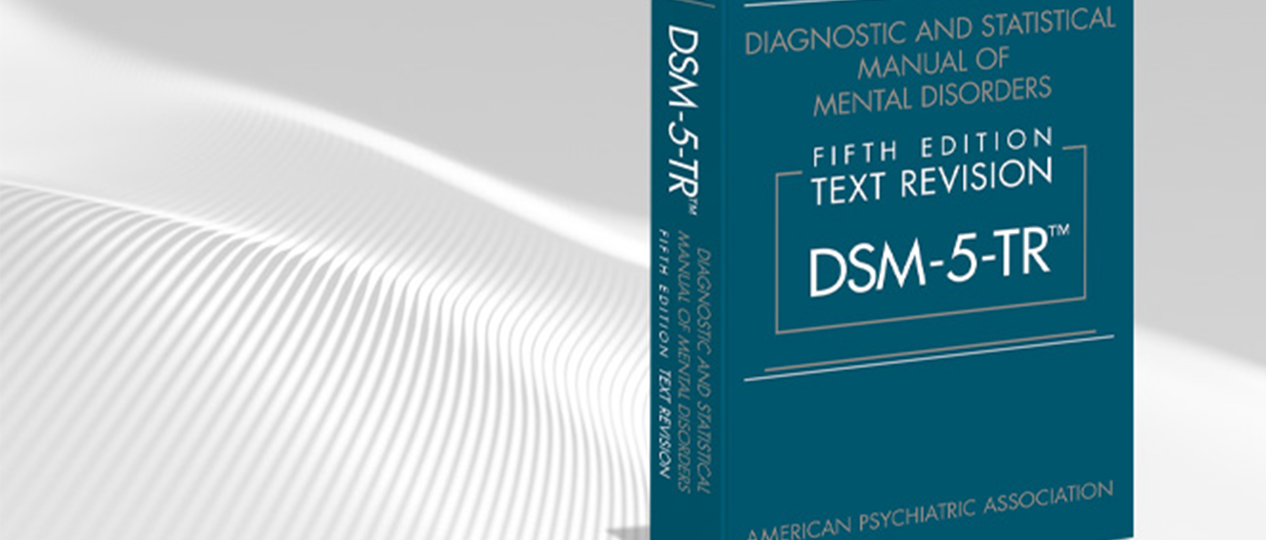
Many nurses seek structured educational resources to better understand psychiatric terminology and diagnostic concepts without stepping outside their professional role. References such as DSM-5-TR® Made Easy: The Clinician’s Guide to Diagnosis are often used to support conceptual understanding while reinforcing the importance of interdisciplinary collaboration.
When used appropriately, such resources enhance communication and documentation rather than replace clinical judgment.
Mental Health Awareness Across Nursing Specialties
Mental health knowledge is valuable across all nursing specialties, including:
- Medical-surgical nursing
- Emergency and trauma care
- Maternal and child health
- Community and public health nursing
- Advanced practice and leadership roles
Regardless of setting, nurses who understand mental health concepts contribute to safer, more compassionate care.
Frequently Asked Questions About Mental Health Knowledge in Nursing
Can nurses diagnose mental health conditions?
No. Nurses do not independently diagnose mental health conditions but play a vital role in assessment, observation, and documentation.
Is mental health knowledge necessary outside psychiatric nursing?
Yes. Mental health concerns are common across all healthcare settings, making foundational knowledge essential for all nurses.
Does understanding diagnostic terminology improve patient care?
Yes. Diagnostic literacy improves communication, reduces misunderstandings, and supports timely referral and safe care.
This article is for educational purposes only and does not reproduce, summarize, or replace any copyrighted diagnostic manual or clinical guideline.