



Description
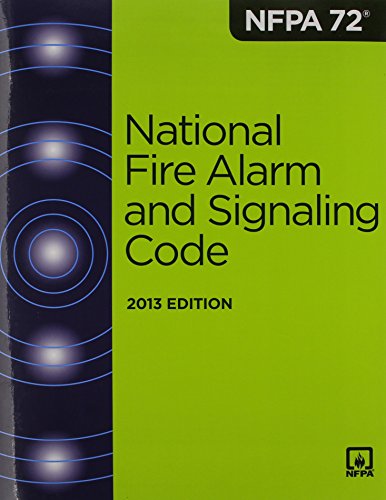
NFPA 72: National Fire Alarm and Signaling Code, 2013 Edition
NFPA 72 covers the design, installation, testing and maintenance of fire alarm and emergency communications systems. The NFPA 72 2013 edition broadens the code from fire alarms alone into a full standard for signaling and mass notification systems. Engineers, installers and inspectors use it as the working reference for these systems.
This edition reorganizes several chapters so the code is easier to apply in the field, most notably by adding a dedicated documentation chapter and folding mass notification requirements into the core signaling chapters.
This listing is the 2013 edition. NFPA now lists a 2025 edition of NFPA 72, so check which year your jurisdiction, contract or exam cites before you order.
A new chapter for documentation
Chapter 7 (Documentation) is new in this edition. It consolidates system documentation, record keeping and acceptance test form requirements into one chapter, in place of the scattered references used before.
Mass notification joins the core code
Mass Notification Systems (MNS) requirements are now fully integrated into Chapter 24 (Emergency Communications Systems), with risk analysis and design criteria covering weather, terrorist and biological emergencies.
What is new in the 2013 edition
- Chapter 14 (Inspection, Testing and Maintenance) combines test methods and frequencies into one table instead of separate tables.
- The supervising station transmission interval for certain Digital Alarm Communicator Transmitter (DACT) configurations drops from 24 hours to 6 hours.
- Carbon monoxide (CO) and pre-alarm signals can now take precedence over supervisory and trouble signals.
Book details
- Title: NFPA 72: National Fire Alarm and Signaling Code
- Edition: 2013
- ISBN-13: 9781455904112
Questions buyers ask
Who uses NFPA 72?
Engineers, installers and inspectors who design, install or check fire alarm and emergency communications systems, including mass notification systems.
What changed in the 2013 edition?
The biggest changes are a new Chapter 7 for documentation, full integration of mass notification requirements into Chapter 24, and a combined inspection, testing and maintenance table in Chapter 14.
Does this edition cover mass notification systems?
Yes. Mass Notification Systems requirements, including risk analysis for weather, terrorist and biological emergencies, are integrated into Chapter 24.
What changed for supervising station transmission testing?
For certain DACT configurations the test interval is reduced from 24 hours to 6 hours.
Did signal priority rules change?
Yes. Carbon monoxide and pre-alarm signals can now take precedence over supervisory and trouble signals.









Reviews
There are no reviews yet.